
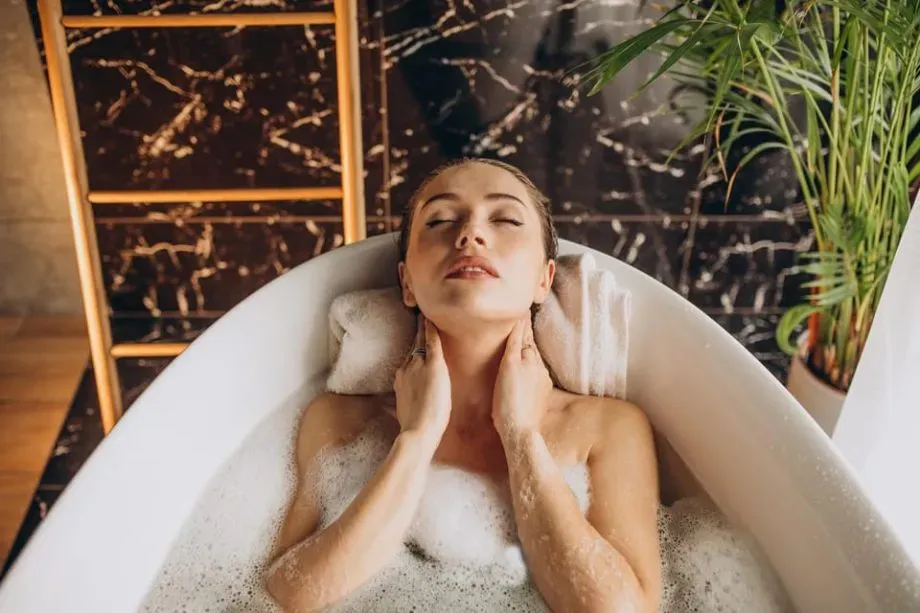
Turkish bath health benefits are varied, blending cleansing rituals with relaxation to support overall wellness. Hammam sessions health benefits are supported by heat, humidity, and ritual pacing. The therapeutic effects of Turkish baths are noted for calming nerves and improving sleep. The improved circulation Turkish bath effect is commonly noted by regular attendees. Taken together, stress relief Turkish bath experiences can contribute to daily wellbeing from hammam rituals.
Viewed through a broader lens, the concept can be described as a traditional steam bath ritual that uses moist heat to encourage cleansing, relaxation, and renewed energy. Alternative terms such as hammam-style spa, steam bath with humidity, or thermal ritual capture the same idea without repeating the exact keyword, helping search engines map related queries. This approach reflects LSI principles by tying related signals like improved circulation, skin vitality, stress relief, and overall wellbeing to the core practice. In practice, the experience combines heat, cleansing, and quiet time, forming a sustainable element of a holistic wellness routine.
Turkish Bath Health Benefits: A Path to Physical and Mental Wellness
The Turkish bath health benefits extend beyond pampering. The combined heat, humidity, and ritual of a hammam support physical health and mental resilience by promoting a gentle cardiovascular response, calming the nervous system, and inviting mindful stillness. In this setting, stress relief Turkish bath cues can arise naturally as respiration slows, heart rate settles, and the body shifts toward a restorative state. This is where physical comfort meets emotional balance, contributing to a broader sense of wellbeing from hammam experiences.
Regular hammam visits can support circulation, skin vitality, and sleep quality, forming a complementary pillar in a holistic wellness routine. Although not a substitute for medical care, these sessions align with healthy lifestyle choices and consistent self-care, reinforcing the Turkish bath health benefits through habit formation, hydration, and mindful pacing.
Hammam Sessions Health Benefits: Circulation, Detox, and Skin Clarity
Hammam sessions health benefits are most evident in how heat and humidity influence circulation, toxin elimination, and skin cleansing. The warm, moist air facilitates vasodilation and improved microcirculation, helping tissues receive nutrients and recover after activity. The ritual sequence—heat, exfoliation, rinse, and rest—also supports gentle detox-like cleansing while leaving the skin feeling refreshed and more radiant.
In addition to physical effects, the social and contemplative aspects of a hammam can reinforce mood stability and empowerment. Regular sessions contribute to a predictable wellness ritual that supports calm, focus, and a sense of control over daily stressors, enhancing the therapeutic backdrop of everyday life.
Improved Circulation Turkish Bath: Heat, Humidity, and Blood Flow
The improved circulation Turkish bath claim rests on the basic physiology of heat exposure. Radiant heat and humid steam raise core temperature modestly, triggering vasodilation and increased blood flow. Over time, this can reduce muscle stiffness, improve nutrient delivery to tissues, and support cardiovascular readiness for daily activities.
As circulation improves, people often notice easier movement, less fatigue after exertion, and a sense of renewed energy. Hydration and a gradual progression of exposure are essential for sustainable benefits, along with pairing hammam sessions with regular activity and balanced nutrition.
Stress Relief Turkish Bath: Calm Mind and Nervous System Balance
A core benefit of the stress relief Turkish bath is the promotion of parasympathetic activity through heat, breathing, and contemplative stillness. The steam and warmth encourage slower, deeper breaths, which help quiet the mind and reduce sympathetic arousal after busy days. This relaxation response can lead to better sleep quality and more resilient mood during daily life.
Beyond the moment of the session, the predictability and ritual of a hammam create a psychological space for rest and recovery. Regular exposure can help individuals manage anxiety, improve concentration, and approach challenges with a steadier, more centered mindset.
Wellbeing from Hammam: Holistic Benefits for Body and Mind
Wellbeing from hammam emphasizes a holistic experience that blends physical response with emotional nourishment. The warmth, social warmth, and mindful cleansing rituals contribute to a grounded sense of balance, supporting sleep, energy, and daytime resilience. The practice aligns with broader wellness goals and can become a dependable anchor in a busy life.
Sleep quality, daytime vitality, and a more positive outlook often accompany consistent hammam visits. When integrated with ongoing healthy habits—hydration, nutrition, movement—the hammam becomes a sustainable routine that nurtures overall wellbeing, not just momentary relief.
Therapeutic Effects of Turkish Baths: Skin, Detox, and Immune Support
The therapeutic effects of Turkish baths extend to skin health through gentle exfoliation and steam that help unclog pores and support cleansing rituals. While sweat is a modest detox pathway, the overall practice promotes a cleaner skin surface, smoother texture, and a refreshed glow. This cleansing aspect contributes to a tangible sense of renewal after a hammam session.
Regular heat exposure and rest can support immune resilience by encouraging a calm physiological state and better sleep, which are foundational to defense against seasonal challenges. By combining hammam routines with a balanced lifestyle, individuals may experience enhanced resilience, adaptability, and a sense of wellbeing from hammam that complements other wellness efforts.
Frequently Asked Questions
What are the hammam sessions health benefits for circulation and relaxation?
The warm, humid heat of a hammam promotes vasodilation and improves circulation and microcirculation, supporting nutrient delivery to tissues. The heat, steam, exfoliation, and rest also relax muscles and trigger a calming state, contributing to stress reduction and overall relaxation.
What are the therapeutic effects of Turkish baths on wellbeing?
Therapeutic effects include improved circulation, cleaner skin through steam and exfoliation, and better mood and sleep. The heat and mindful breathing can activate the parasympathetic nervous system, promoting deep relaxation and a sense of balance.
Can the Turkish bath improve circulation and ease muscular tension?
Yes. The warm, moist air promotes vasodilation, which can improve circulation, while heat helps relax tight muscles and reduce stiffness after activity. Regular sessions support improved circulation Turkish bath outcomes and help ease muscular tension.
Does a Turkish bath offer stress relief, and how does it affect mood?
Yes. The combination of heat, steam, and quiet time lowers heart rate and stress hormone activity, supporting stress relief Turkish bath and a calmer mood. Regular visits can also improve sleep quality and contribute to a more resilient mood.
How can you maximize wellbeing from hammam while staying safe?
Begin with shorter sessions, hydrate before and after, avoid overheating, and listen to your body. Choose reputable facilities with trained staff, and integrate hammam visits into a balanced wellness plan to support wellbeing from hammam safely.
How often should you visit a hammam to experience Turkish bath health benefits?
Frequency depends on personal tolerance and health, but regular, moderate sessions are typically most beneficial. Pair visits with adequate hydration, gentle activity, and a healthy lifestyle to maximize Turkish bath health benefits.
| Aspect | Key Points |
|---|---|
| What is a Turkish bath? | A hammam is a steam-rich space with progressively warmer rooms, ritual cleansing, exfoliation, rinse, and rest; designed for social and personal wellness. |
| The science behind heat and body responses | Heat exposure causes vasodilation, mild core temperature rise, sweating; promotes circulation, temperature regulation, and detoxification through sweat; breathing and stillness reduce sympathetic arousal. |
| Physical health benefits | Improved circulation; muscular relaxation and pain relief; skin health and detoxification; immune support and resilience; respiratory benefits; weight/metabolic context. |
| Mental health and wellbeing benefits | Stress reduction, mood improvement, better sleep, calmer mind, enhanced wellbeing. |
| Safety and practical considerations | Hydration, avoid alcohol/heavy meals before; moderate sessions; consult a healthcare professional if needed; start with short exposures; follow facility guidelines. |
| Maximizing health benefits | Prep and hydrate; plan a gentle sequence; hydration and cooling; integrate with other wellness habits; personalization and safety; choose reputable facilities. |
| Turkish baths vs other steam therapies | Hammam emphasizes moist heat and steam; compared with dry saunas; personal preference and goals; many routines include both for balanced benefits. |
| Putting it all together: practical approach | Regular hammam visits as part of a holistic plan; start slowly, listen to your body, and maintain consistency and safety to reap long-term benefits. |
Summary
Turkish bath health benefits, Türk hamamının sağlık faydaları, modern yaşamın stresine karşı denge ve yenilenme sunar. Bu metin, düzenli hamam ziyaretlerinin fiziksel ve zihinsel etkilerini kademeli ve güvenli bir çerçevede özetliyor. Sıcaklık, buhar ve ritmik nefes alma bileşenleri dolaşımı iyileştirir, kasları gevşetir ve bağışıklık sistemini destekleyebilir. Dermatolojik temizliği kolaylaştırır; cildin daha temiz ve tazelenmiş hissetmesini sağlar. Aynı zamanda hammam deneyiminin sakinleştirici etkisi stres düzeylerini düşürebilir ve uyku kalitesini artırabilir. Güvenli bir uygulama için hidrasyon, aşırı ısınmadan kaçınma ve bireysel sınırlara dikkat edilmesi önemlidir. Düzenli, ölçülü hamam kullanımı, sağlıklı yaşam tarzı alışkanlıklarıyla birleştiğinde uzun vadeli faydalar sunabilir.